Done With the Feed: How Real People Are Breaking Up With Algorithm Culture in 2025
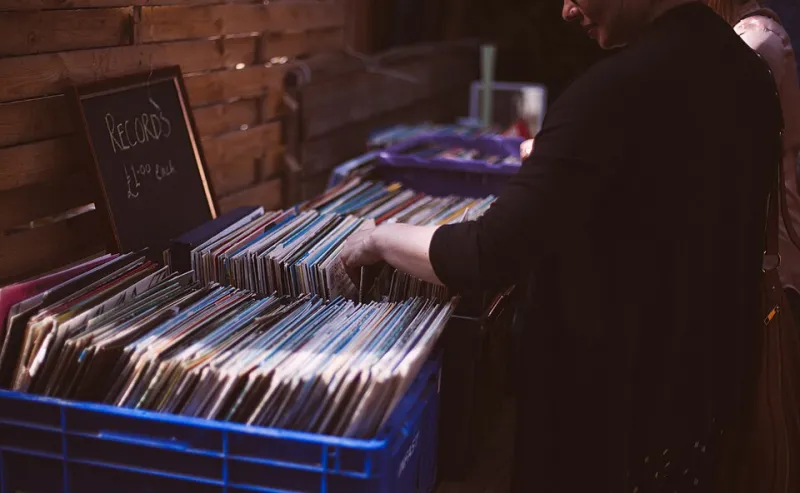
Photo: Clem Onojeghuo clemono2, CC0, via Wikimedia Commons
Somewhere around 2022, a lot of us started feeling it — this low-grade exhaustion with being managed by our entertainment apps. The feed always knowing. The recommendations always waiting. The autoplay already cued up before you've decided anything.
It wasn't a crisis. It was more like a slow, creeping irritation.
By 2025, that irritation has turned into something more organized. Viewers, listeners, and readers across the country are actively pushing back against algorithmic curation — and the ways they're doing it are more varied, and more interesting, than a simple social media detox.
The Backlash Has a Name Now
Call it algorithm fatigue. Call it curation burnout. Whatever label you prefer, the phenomenon is real and measurable. A Pew Research survey from early 2025 found that 61% of US adults between 18 and 44 said they felt their streaming recommendations had become "repetitive or predictable" over the past year. More significantly, 38% said they had actively sought out entertainment through non-algorithmic means in the past three months.
That second number is the interesting one. People aren't just complaining — they're changing behavior.
What does non-algorithmic discovery actually look like in practice? It looks like asking a friend. It looks like following a newsletter written by a single obsessive film nerd. It looks like joining a subreddit dedicated to a specific genre and reading actual human takes. It looks like walking into a Blockbuster — wait, those are mostly gone — okay, it looks like browsing a used DVD rack at a thrift store just to see what happens.
The point is: people want taste, not targeting.
The Platforms Helped Create This Problem
To be fair to the audience, the platforms kind of earned this reaction.
Over the past five years, algorithmic logic has crept into nearly every corner of entertainment consumption. It's not just what shows get recommended — it's what shows get made. Netflix famously uses viewing data to inform content commissioning decisions. That's why you've seen a proliferation of shows that feel engineered to hit familiar emotional beats rather than take genuine creative risks.
And then there's the pricing piece. Dynamic and tiered pricing models — where what you pay depends on how you watch, when you watch, and what device you're on — have made the cost of entertainment feel increasingly arbitrary. Consumers who used to know exactly what they were paying for now find themselves navigating ad-supported tiers, premium add-ons, and "included with your plan" asterisks that lead nowhere good.
The algorithm doesn't just pick your content. In 2025, it's pricing your access to it.
What the Rebellion Actually Looks Like
The pushback isn't one thing. It's a collection of small, parallel movements that together add up to something meaningful.
Chronological feeds are making a comeback. After years of algorithmically ranked timelines, several smaller social platforms — and even some legacy ones bowing to user pressure — have reintroduced chronological browsing options. Users are choosing them in significant numbers. The appeal is simple: you see what's new, not what a model thinks you'll engage with most.
Niche communities are thriving. Discord servers, Substack newsletters, and specialized forums dedicated to specific genres, directors, or artistic movements have seen substantial growth. These spaces are curated by humans with genuine enthusiasm, not optimized for retention metrics. The Criterion Channel's community forums, for example, have become a go-to for film fans who want recommendations from people who actually care about cinema.
Physical media is having a genuine moment. Vinyl records never really went away, but now Blu-ray and 4K disc sales are ticking upward among a younger demographic that grew up entirely on streaming. The appeal isn't just nostalgia — it's ownership and intentionality. When you buy a disc, you chose it. No algorithm nudged you there.
Curation-as-a-service is emerging as a real business. Startups and indie creators are building subscription products around human editorial judgment. Think curated film boxes, hand-picked playlist services, and recommendation newsletters that charge a few dollars a month for a real person's taste instead of a model's prediction. It's a small but growing market.
Is This a Real Shift or Just Vibes?
Honest answer: it's somewhere in between, leaning toward real.
The structural dominance of algorithmic platforms isn't going anywhere fast. Netflix, Spotify, and YouTube collectively shape the entertainment diet of hundreds of millions of Americans, and they're not redesigning their core products because some users are buying Blu-rays. The financial incentives point firmly toward more algorithmic control, not less.
But culture doesn't always follow financial incentives in a straight line. There's a growing consumer consciousness around how recommendation systems work — how they narrow rather than expand, how they optimize for watch time rather than satisfaction, how they treat your preferences as inputs to a retention machine rather than expressions of genuine taste.
That consciousness matters. It shapes what products get built, what features get demanded, and what platforms rise to meet an underserved audience.
What You Can Actually Do Right Now
If you're feeling the fatigue, you don't have to wait for a platform redesign. There are moves you can make today:
- Ask humans for recommendations. Literally just ask. Text a friend, post in a community, read a columnist whose taste you respect. The signal-to-noise ratio is often better than you'd expect.
- Browse with intention. Go in with a specific question — "I want something made before 1990" or "I want something under 90 minutes" — rather than letting the homepage decide your evening.
- Follow curators, not algorithms. Find two or three people — writers, podcasters, social media accounts — whose entertainment taste aligns with yours and use them as your primary discovery layer.
- Let some things surprise you. The algorithm will always optimize for the comfortable and familiar. Occasionally choosing something outside your predicted taste cluster is a small act of creative self-defense.
The feed will still be there when you get back. But 2025 might just be the year you stop letting it run the show.